Reflection Blog

Looking back at the entire semester of cooking and just learning about food, I really enjoyed it. I took the class with only an interest in food and only having cooked with my Mom before, who’s a really good cook, and it completely exceeded my expectations for the class! I always knew that I never wanted to be a chef as a career, but that I LOVE food. Eating it, cooking it, it didn’t matter.

I think that I am not alone in saying that Mondays were my favorite class times, just because we got to cook. I also think that going forward next year, it might even be a really good idea to cook twice a week! I’d say that making class maybe a half an hour, or even an hour longer, just to allow for more cooking and clean up time would be really helpful. We always ran out of time on Mondays and then it seemed like we had too much time on Wednesdays.

As for the readings, I did enjoy some of them but not all, and I think certain ones were more interesting than others. Also, certain ones were definitely more relevant than others, and I get that we were supposed to learn about cultures other than our own but some were stretching that. An example of that to me would be the punk culture article, which is a culture I never expect to encounter in my lifetime. That being said, some of the readings around diets or eating disorders were really interesting to me and I feel like we will (sadly) only be getting more familiar with them.

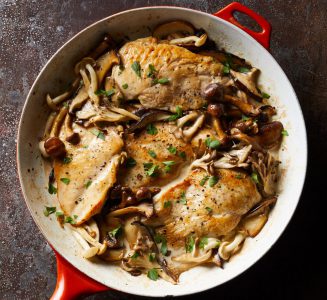
I really can’t recall a class where I distinctly didn’t like what we were able to make that day, but I did like some more than others. The class I wrote a summary for, which was the Eastern European food, was my least favorite flavor wise. Everything seemed to blend together into what ended up being a very similar flavor to me, which I personally don’t enjoy. But cooking it was fun!

(Picture credit to Lisa from her class summary)

My favorite class was when we made the Okonomiyaki, which to me tasted almost like what I’d imagine Japanese diner food would be like. It was a very rich, fatty meal and that to me always tastes the best. I really enjoyed the okonomiyaki sauce especially, almost like a glaze for the “pancake”. Making it was also really fun to do, I think anything that involves flipping always adds a little something to cooking!

I think that logistically the class worked really well, except for the time issue. We never had a bad experience with any of our guests who were all really great (have them back next year) and doing lagniappe was fun too, especially for me. I think that making us do cooking outside of class is really nice and it drives home that what you learn in class is something you can literally use that evening when making dinner.

Thanks for a great semester!

-Lars

FIG Class Connection

We’ve been able to hear Mike Bell lectures in two different places; our FIG lecture and also Agroecology. Within those, he has mentioned the same concept which is his idea that our food has a soul to it. It sounds pretty crazy to think about if you take it at face value, but if you really read into it he makes an interesting point about being more thoughtful about your food.

Mike Bell is trying to say that your food has a story to it, that it doesn’t just appear prepared on your plate. Most likely it’s a processed food in some form, where something happened to it to be able to be eaten and to be on your plate. The point that I think he’s (trying) to make is that it’s very important to understand what that journey was, as its story can have consequences you might not want to be supporting by eating it.

download (5)

This connects our FIG lecture, as it uses the food we’re preparing and becoming a part of our food’s journey, and Agroecology, as in that class we learn about the way food comes from the farm to the table, and that particular journey. In Agroecology, we’ve learned a large amount about what farming and using the Earth to produce food for us can do, and the effects of it. At the beginning of the course, we learned about soil health and how important that can be to have a healthy Earth with a strong example of the Dust Bowl. Because we were so focused on using every square inch of land to farm off of, we neglected the consequence of uprooting our soil and creating dust clouds that lasted for miles and miles.

It’s things like that which create the stories about our food that really matters. The good stories are good to hear and heartwarming, but the bad stories cause negative consequences that affect us in the real world. By learning these bead stories, Mike Bell is saying that we will become conscious consumers, and from that, we will be able to better help both ourselves and our environment as well.

download (6).jpeg

To relate it to more people, a lot of people choose to become vegan for reasons that don’t involve a dislike to the taste of meat, but rather for how that meat gets on their plate. We learned about Concentrated Animal Feeding Operations (CAFO’s) in Agroecology and those are a strong reason why people choose to not eat meat. These animals are subjected to torturous conditions with the end goal of being slaughtered by a butcher, something many people find appalling.

Another reason why people commonly choose to change their diet to veganism is that of the conditions of the human workers, which has been outlined to us through our Anthropology class. Commonly, people work terrible hours to make terrible pay to produce the food we eat or work in terrible conditions. With the knowledge that this happens semi-frequently to produce our food, people choose not to eat that food because by eating it they are supporting the way it got to their table. Mike Bell is trying to educate us to learn the stories of our food, otherwise, we would happily eat what we might not understand.

GMO’s: A Political Food Rant

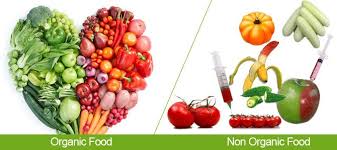
When walking down the aisle of almost any grocery store or market, there will be a huge significance put on labeling the foods as not genetically modified, or even better; organic. Even though those two terms mean different things, they both have the same connotation of meaning that they will be better for you than the foods that say they’ve been treated with pesticides or have been genetically modified.

download (2)

Being able to label a food organic has been one of the holy grails of farming; farmers get significantly more money for them as they’re harder to farm, and they’re in higher demand from consumers as per the connotation of being healthier. However, the main concern of nonorganic food is that nonorganic farmers are allowed to both use pesticides and to genetically modify the crops. This concern is, in my opinion, mislead as GMO’s have been proven to be safe for the public and have also shown to actually help the environment.

ht_tomato_progression_2_sr_140425_12x5_992.jpg

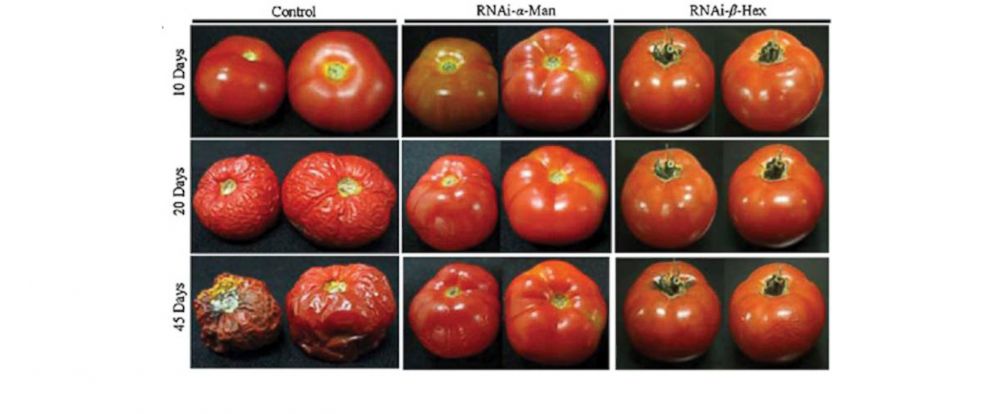
Above is a picture of the results of a research study done on genetically modified tomatoes, of which the genes were altered to allow the tomatoes to have a longer shelf life. This is huge for us consumers as it allows us to buy fruit and vegetables that will survive longer than 2 weeks. As you can tell, sometime during 20 days and 10 days after being picked off the vine the control tomatoes (tomatoes that weren’t genetically modified) had already started to rot and look pretty disgusting. Comparatively, the genetically modified tomatoes even after 45 days look almost new. This just shows how much GMO’s can change food.

Now, although you can see that GMO’s help make food both more edible and more resistant to the environment, it easily sounds too good to be true. It also raises the questions of if it’s truly safe to eat, or if it will deteriorate the environment faster than organically (“normally”) grown food. Over the past few years, it has been proven that the answers to those questions is no.

GMO’s alter the plants at a genetic level, never as a chemical placed on the original plant. Although in the current day and age we do this modification in a laboratory with proper scientific instruments, farmers have been doing a similar process for dozens of years previously. They would take the seeds of a crop that does particularly well in the conditions they’re farming in and replant them specifically so they would grow again next year, all the while removing the plants that died. Farmers were essentially moving natural selection along through this process, and allowing for the “strong” genes to live on while removing the “weak” ones.

download.jpeg

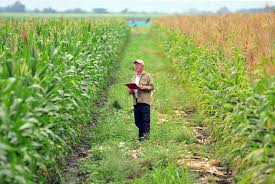
Now, plants will have larger yields per acre, which in turn helps feed the growing population of the world. We will also be able to conserve more space for “wild land”, which allows for greater biodiversity in the world. Both of those are hugely important for this changing world, and although GMO’s are not perfect, in my opinion those benefits far outweigh the drawbacks.

Therefore, the belief that organic food is the only healthy way to eat is shrouded by the halo effect, that it’s pure with no negatives. That’s incorrect; organic farming is difficult and costly. Because of the strict requirements placed on it by the Department of Agriculture, farmers can have a difficult time keeping their crops alive and productive. For example, most organic farmers have to spend many hours a week purely pulling weeds up to give their crops the ability to grow, whereas with GMO crops certain genes can make it difficult or impossible for a weed to grow near them.

Now, the big difference is pesticides. Certain pesticides have been proven to negatively affect humans, but they can be really negative in affecting the environment and the animals living in it. An excellent example of this is the product DDT, which was incredibly widespread in the United States in the 1950’s. It worked as an insecticide, but adversely affect many birds as it weakened the shells of their eggs. The eggs would crack prematurely, and therefore kill the developing birds. Because of this, the Bald Eagle (national animal of the United Sates) almost went extinct.

I am arguing that the push for organic food as our saving grace is mislead, and that although pesticides are negative, genetically modifying crops is not. Growing organic food in a personal garden or on a small scale is not the issue, but large scale organic farming is not what will save the human race.

Class Summary for Monday, 10/22

Like all of our Mondays, we cooked some seriously good food. This week was focused on Eastern European foods, particularly Slavic foods. Because we knew we would be a little rushed for time, we started out by just being introduced to our guests and given brief instructions.

Our guests this week were Tomislav Z. Longinović and Dijana Mitrović, who are both professors in the German, Nordic, and Slavic language department here at UW-Madison. They’re both from Eastern Europe, so the dishes they selected for us are all dishes they had growing up and as such when they tried them when we were done they both said that it tasted like home!

Each table had a different recipe to cook, and some were harder to cook than others. Of the five, I think that the cheese pie took the longest to make but the sausages definitely required the most attention.

My group was in charge of making the cheese pie, which is called pita sirnica. It uses this very thin and wafery dough to add many layers to it, and we chose to layer it with cheese. Dijana told us that you can add almost anything to be the filling, but the way how we make it stays the same throughout.

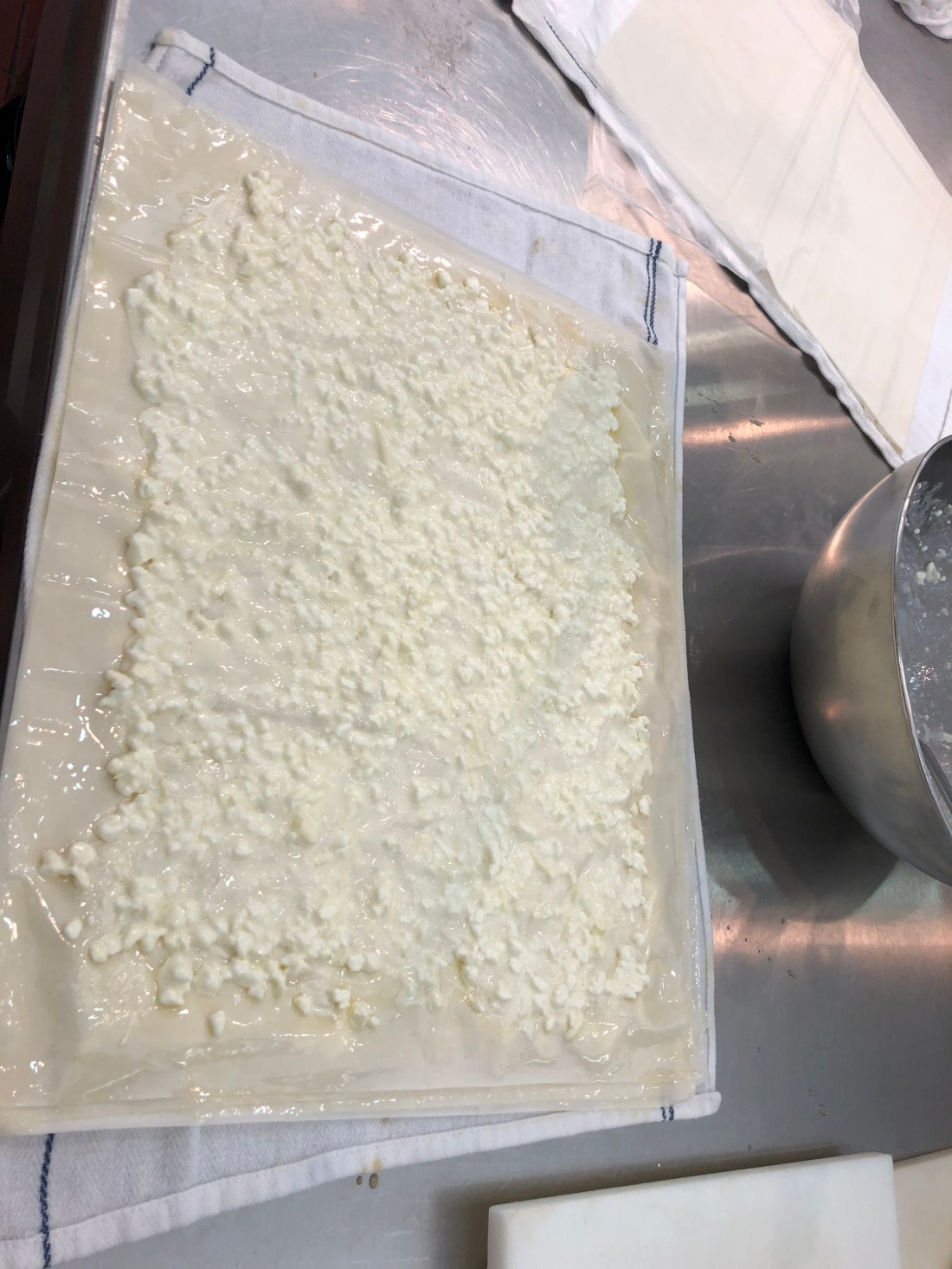
We made the cheese stuffing first, which consisted of 3 separate types of cheese; cottage cheese, mozzarella cheese, and feta cheese. We combined this with a few other spices and whisked it all together to get this creamy filling. Now it’s on to the layers- we did two layers of cheese per roll, but there were 2 very thin layers of the filo dough for each cheese layer.

IMG_1988

This is the cheese pie after we had finished our second layer of stuffing, and right before we start to roll it up. We were making two pies for the whole class, and each pan had 4 pie rolls in it. After we had rolled all 4 of them up, we set them in the pan and put them straight in the oven at 350 degrees and waited for them to look done! (Dijana helped us with figuring out when it had finished cooking)

Our cheese dish ended up being the last dish out, which meant that we didn’t start eating until our dish was done, but everyone else was already sitting down and ready. The four other dishes were Proja (cornbread), Ćevapi (Sausage), Prebranac (beans), and last but not least the Bajadera cake, which was a Nutella-ish Graham Cracker cake.


From the pictures above, those were of the final products, with the last one being my plate (after I’ve eaten the cornbread). And while we ate, Tomislav and Dijana gave a short presentation about other common Eastern European foods that we could eat, and then class was over!

Lagniappe

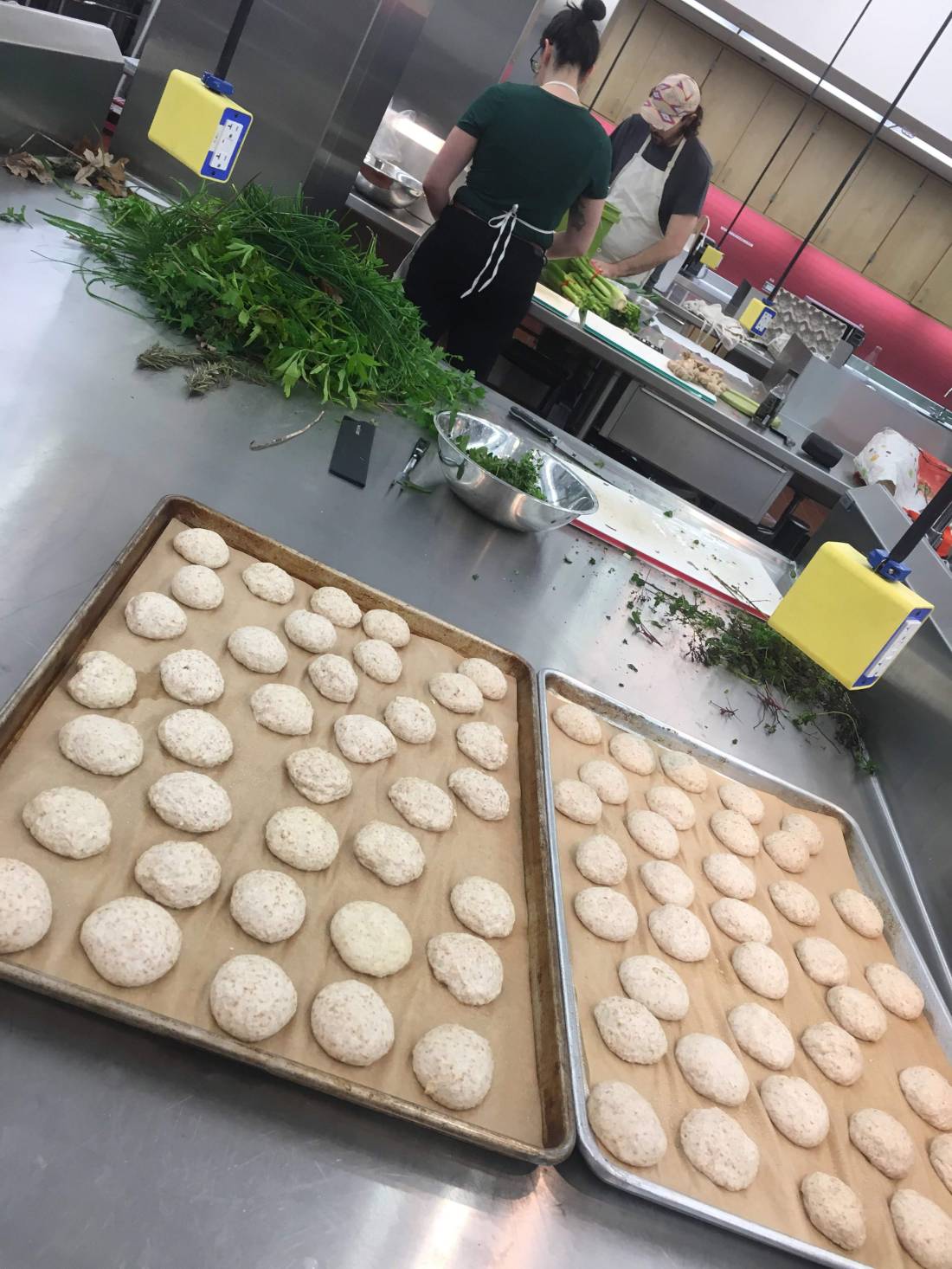
This week, Zoe, Katelyn, Libby and I took on making lunch for 200 farmers at the farmers market, along with some grad students, Laurie Beth, and Michael. The menu was butternut squash with bread rolls, and as per usual almost all of the food was locally sourced from Laurie Beth and Michael’s garden. As the workers trickled in, we were split up into two groups; bread roll people and squash people. Because the squash required more cooking expertise, we were on the duty of doing the bread rolls.

Michael took us over to the side away from the sinks where he had a dough that was the size of one of the compost buckets. He then showed us how to not knead the dough, but actually fold it into itself to get a really nice, dense crust. However, because he’s a complete pro he was doing it insanely fast and made us all look stupid when we were doing half the speed he was to finish a roll.

He made the dough earlier, and by the time he had finished letting it rise, it had doubled in size. Because of the massive amount of air in the dough already, he told us to not knead the dough that much as it can incorporate too much air into the rolls. We used the nifty bread slicer and cut out what we thought were 50-gram pieces of dough to fold, and kept doing that assembly-line style until we were out of dough!

IMG_1986.JPG

When we were folding in the dough, it would gradually become really sticky and usually, you use flour to take that stickiness away, but Michael told us to use as little flour as possible to keep the integrity of the dough after it had been cooked. We used as little as possible (or substitute flour with olive oil) and ended up filling 5 trays worth of uncooked rolls!

Michael also had the stroke of brilliance to try two ways of cooking the rolls, which made a surprising difference in the flavor of the rolls. We ended up going with the classic convection oven because it gave of the best “homey” flavor.

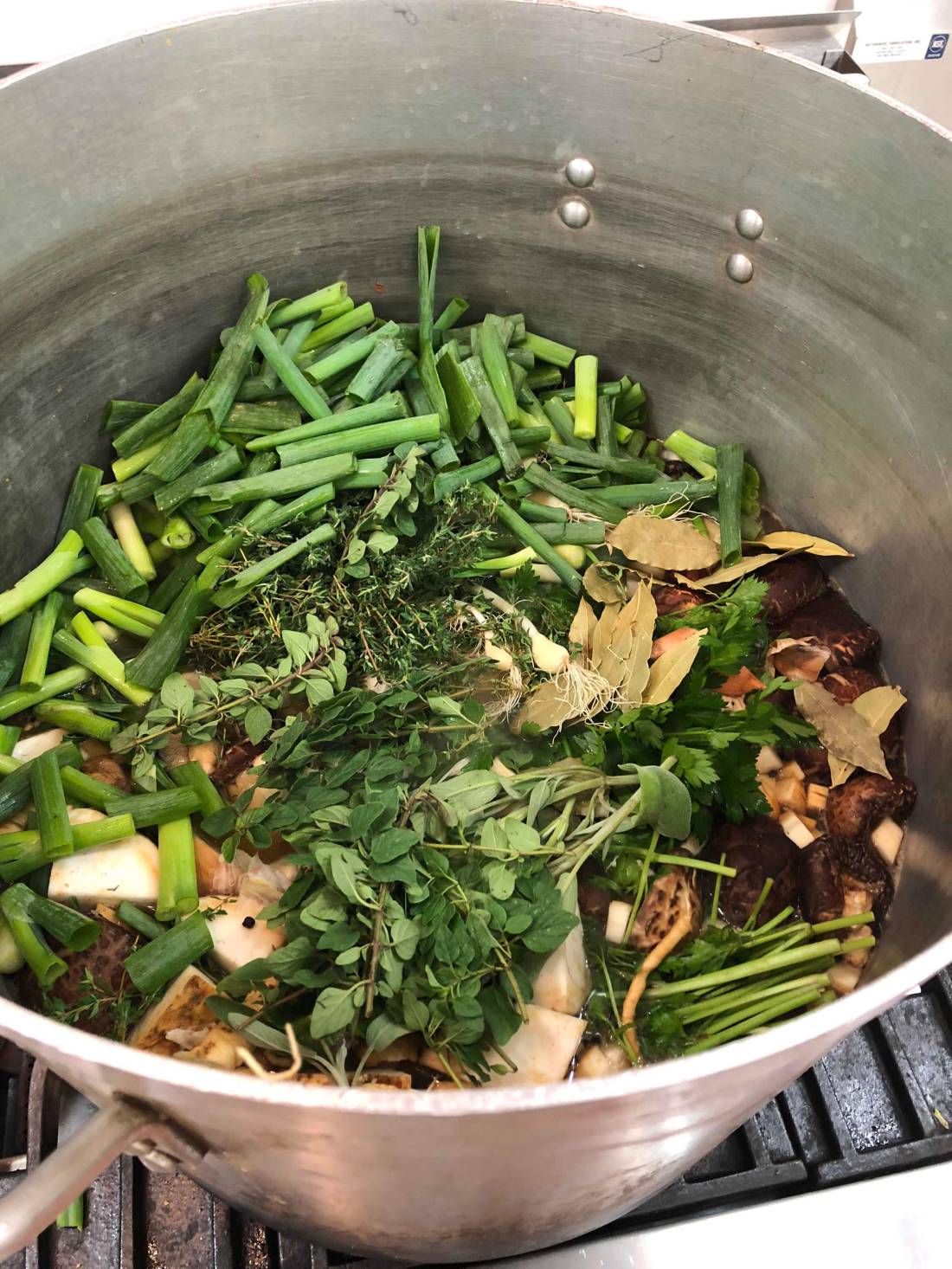
As you can see in the background in the picture above, while we were making the rolls the graduate students were preparing the soup. Although I don’t know as much about the soup process as I do the bread roll process, it smelled heavenly. We would routinely walk past these massive soup pots boiling vegetables to make a vegetable broth for the butternut squash soup.

IMG_1985.JPG

They spend maybe a whole hour cutting up all of the vegetables and cutting the squashes in half to put in the oven, and by the time we were done with the rolls, the squashes were in the oven. When the squashes were done cooking, we took the squash halves and took out the seeds and stringy fibrous insides, and then scooped the squash out of the skin. They were really hot though, and removing squash from the skin is hard to do with just a spoon and a few burned fingers.

IMG_1984.JPG

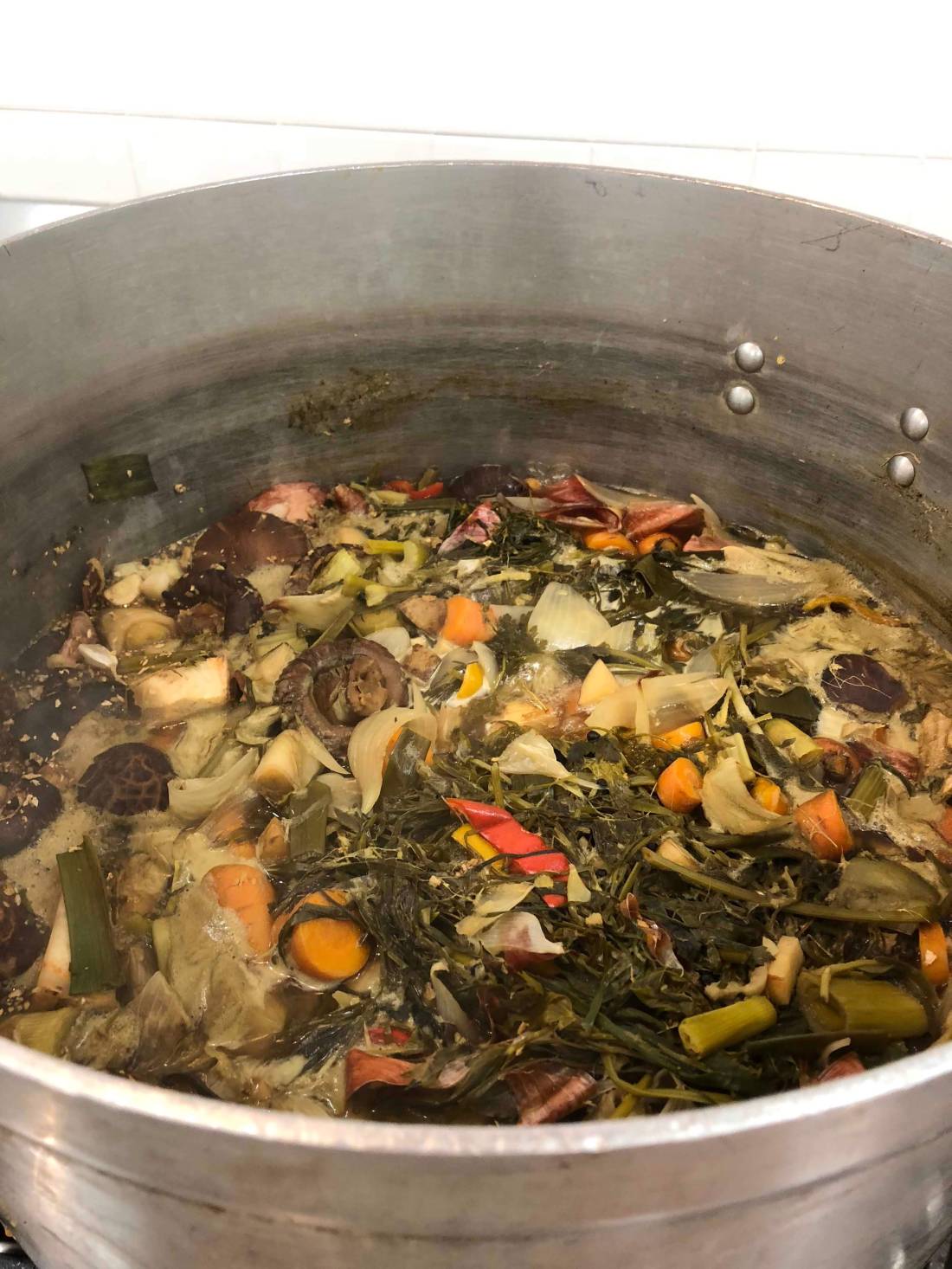
When the broth looked like this, it was ready to be strained. A graduate student and I strained all the broth out from the vegetables and put the leftovers in the compost buckets. Laurie Beth and another graduate student then combined the broth with the squash and used what must have been a 3-foot long immersion blender to make the soup!

Making the bread rolls was really relaxing, it sunk into a repetitive motion of folding the dough and I overall enjoyed the experience!

-Lars

Essay Pitch for Not Just “a White Girl’s Thing”

Originally published in 2009, this article is designed around opening your eyes to a world you may not have thought existed. This world is that of people other than the stereotypical white girl having eating disorders, and that those disorders usually result from body image issues. The article starts out with some incredibly powerful stories of girls who went to extreme lengths to either continue being skinny or to get skinny, at disgustingly young ages. The example that stood out to me was that of Sami Schalk, who has been “purging herself” after she ate since age 11. Imagine doing that yourself; going to the bathroom and purposely making yourself vomit everything you just ate as early as 5th grade.

I personally think that because of how powerful this article is, it is seriously worth giving it a read. It continues (past just the first page) to consistently quote other examples of real, living people who deal with these problems every day. However, although they were not the only ones being affected by it, white girls were the most publicized. Because white girls have more money, on average, to afford the proper care and treatment, they began drawing the most light on the issue of eating disorders and therefore went into the public’s eye. However, this drew many differing opinions on the girls who were coming forward and getting help.

The public began to view these girls as having “an addiction to perfection”, more so than girls who had a serious issue. This further grew into the idea that, because at the time only privileged girls who tended to be white were able to afford it, a disease like anorexia nervosa became something reserved for the rich and spoiled, the wealthiest of us all. Bordo does an excellent job of weaving in this horrible disease into something that almost sounds attractive, she makes it so that anorexia sounds like something you might want to have, to be privileged enough to have.

picture-714-1392307680.jpgHowever, Susan Bordo later goes to point out that this is, in fact, exactly what society makes you believe and what actually most commonly causes anorexia. She also makes extreme efforts to explain that anorexia is not the only disease surrounding eating, it is one of few. She uses herself as an example to talk about how hard compulsive eating can be, in addition to using many more celebrities to back her up. Many famous celebrities, like Beyonce, Kim Kardashian, or Kate Moss, are all not afraid of their bodies and how they may not be as skinny as possible in every part of their bodies.

This essay is simply just well written and factual, nothing ever seems stretched or falsified, which is the scariest part of the whole essay. The statistics Bordo boasts and uses are seldom normal, which really drives home how important it is to read this essay and understand why eating disorders happen and why they can really affect people in ways you might not be able to normally imagine. I highly recommend it.

Insane Asylum Pasta?

My dad has always been meticulous in planning family vacations. He’s your classic Trip Advisor subscriber, same thing with Consumer Reports and Open Table. He never went as far as printing off a itinerary for the trip, but he got pretty close (it was in his phone instead). But because of that, we were able to get some reservations for some really wonderful restaurants whenever we would go out on vacation to these places, and one of those was this place called Trattoria Stella.

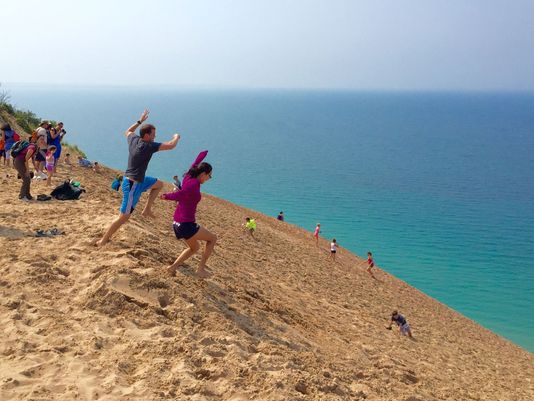
The plan for this vacation was to do a road trip around the great lakes, but we mostly only went to Michigan. We took our minivan (the literal perfect road trip car) and drove through the Upper Peninsula to Detroit, and then back home. We made a few stops in between there and spread it in between a few days. One of those stops was in Traverse City, on the Lower Peninsula. We were staying a night there, centered around going to Sleeping Bear Dunes (pure sand dunes taller than most houses), but we had to get dinner SOMEWHERE.

636208458428639760-Sleeping-Bear-2015.jpg

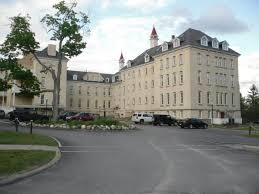
Dad had already booked a reservation at this Italian place, but my mom, brother and I didn’t know much about it. As we’re doing the drive up the monster hill to the restaurant, we went through what had to be the biggest gates I’ve ever seen. This only added to the mysterious nature of this place (keep in mind I’m 14), and when we finally get there it’s this massive castle. Or at least, what looked like a castle.

images.jpeg

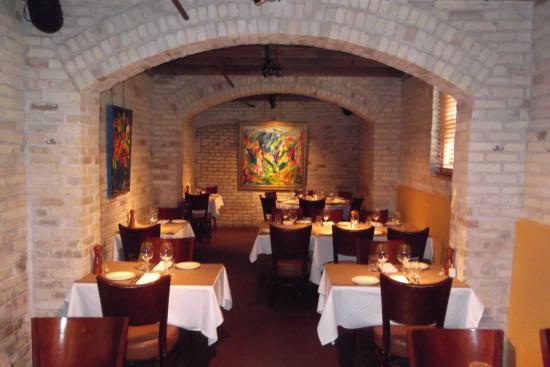
Turns out it’s an ex-mental hospital. After we park the car, we enter the building at the Trattoria Stella tent, which was a set of stairs leading to the basement. So if you can imagine a 14 year old (me) and 12 year old (Tate, my younger brother), we were so excited to figure out what this place was we were about to explode. Once we enter into what seems like a dungeon, we get seated at our table and begin to look at the menu. In a bit, our waiter comes with water for the table and then after the introduction, we ask him about the history of the place. He said that it’s a run down mental hospital, and that only the historic buildings were saved and the rest were demolished. The building we were in (Building 50) was the most historic one and has been converted into almost a marketplace, with multiple other restaurants and farmer’s markets, a really food focused place.

trattoria-stella.jpg

(Trattoria Stella’s main dining room area)

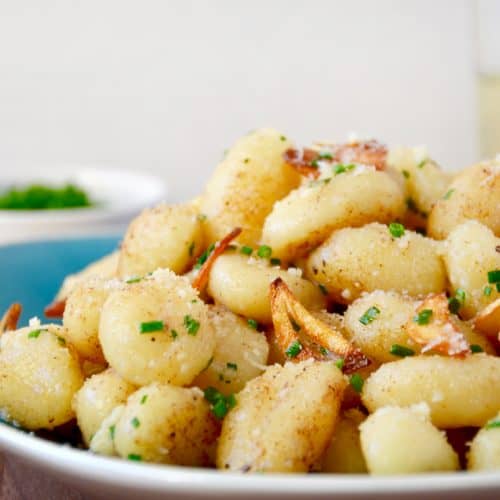
With that, we order. Wikipedia says the building was constructed in an Italian fashion, which makes perfect sense why this, and other restaurants would be Italian. My parents aren’t wine drinkers at all, but they had an extensive wine collection as well. I don’t remember what I ordered before it, but my 14 year old self was a genius with ordering the Gnocchi for my main dish. It was the special for that night, and soaked in a tomato cream sauce. It was both the first time I’ve had Gnocchi and the best of it that I’ve had. I think they fried it in the sauce instead of just pouring the sauce over the pasta before serving because every bite was just an explosion of flavor.

quick-gnocchi-crispy-garlic-recipe-1-500x500.jpg

If you’ve never had Gnocchi before, it’s almost a fried mini dumpling, stuffed with cheese. It’s easily my favorite pasta but it’s so easy to mess up. My local grocery store had pre-made Gnocchi and I tried to cook it once (in pesto) but over cooked it and the dumplings were hard, and the cheese inside was scalding hot. They cooked it perfectly and was one of the best meals I’ve had on a vacation I can remember. I’ve tried for a good while to recreate this but with no success. I think we’re supposed to make our own Gnocchi for a Monday coming up though, so fingers crossed we can pull it off then.

-Lars

Pull-Apart Garlic Bread Pizza Dip

Since the first badger away game was last weekend, my friends and I were planning on watching it (to see them CRUSH Iowa) and naturally for any football game you need some great food to eat while watching. My friend Emma found this recipe for pull-apart garlic bread pizza dip that sounded pretty good, so I decided to go for it!

I made it out to fresh to grab all of the ingredients, which was not as easy as it sounds. The recipe calls for a specific kind of biscuits but doesn’t call them by their correct name (Pillsbury Grand Biscuits), among a lot of other things. When I made it back to my dorm, I went straight down to the kitchen. It was just remodeled this year and has two full-size refrigerators, two ovens, two stovetops, a backsplash, and more than enough counter space. It’s really nice for cooking a lot of food for a lot of people (which I was doing). I was actually doing a double batch because the recipe says that it feeds 8.

To start off the recipe, it asks that you mix a lot of the cold cheeses (including the cream cheese) and a few spices. My measurements were not exact, and maybe I overestimated, but I ended up with a lot of that cheese mixture on the bottom of the pan. I also think I should have softened the cream cheese a little longer because it was quite hard to mix all of that together. You then spread the pizza sauce and throw some mozzarella on top of that (for the pizza aspect) and start to build up the LAYERS. Side note- I would recommend adding more of the pizza sauce than you think, in the end, it had quite a bit of the bottom cheese layer and not enough of the sauce.

After that, you halve the biscuits from their container and roll them up into balls. Then, you place them in a 4×8 rectangle on your 9×13 baking pan. If you end up getting as much of the cheese layer as I did, you’re going to be looking for a slightly deeper pan than normal. With the bread balls laid out, everything’s all set to go. The final touch is pouring some of the garlic-parsley concoction of goodness that turns it into Italian bread over the bread balls and throw your last bit of parmesan on top!

The recipe says to cook the dish for 45 minutes straight to get the tops of the bread balls a lovely golden brown, before then putting tin foil on top of the dish to allow for the heat to spread out evenly over the dish. This allows for the biscuits to cook all the way through, which ended up being my fatal mistake.

As a freshman college student cooking out of their dorm’s kitchen, I didn’t think I’d end up needing tin foil. I also wasn’t about to buy a whole roll of tin foil for one dish that I probably won’t make again for a good while. By not using it, I didn’t allow for the biscuits to cook evenly and all the way through, so the bottoms ended up being quite underdone.

img_1843

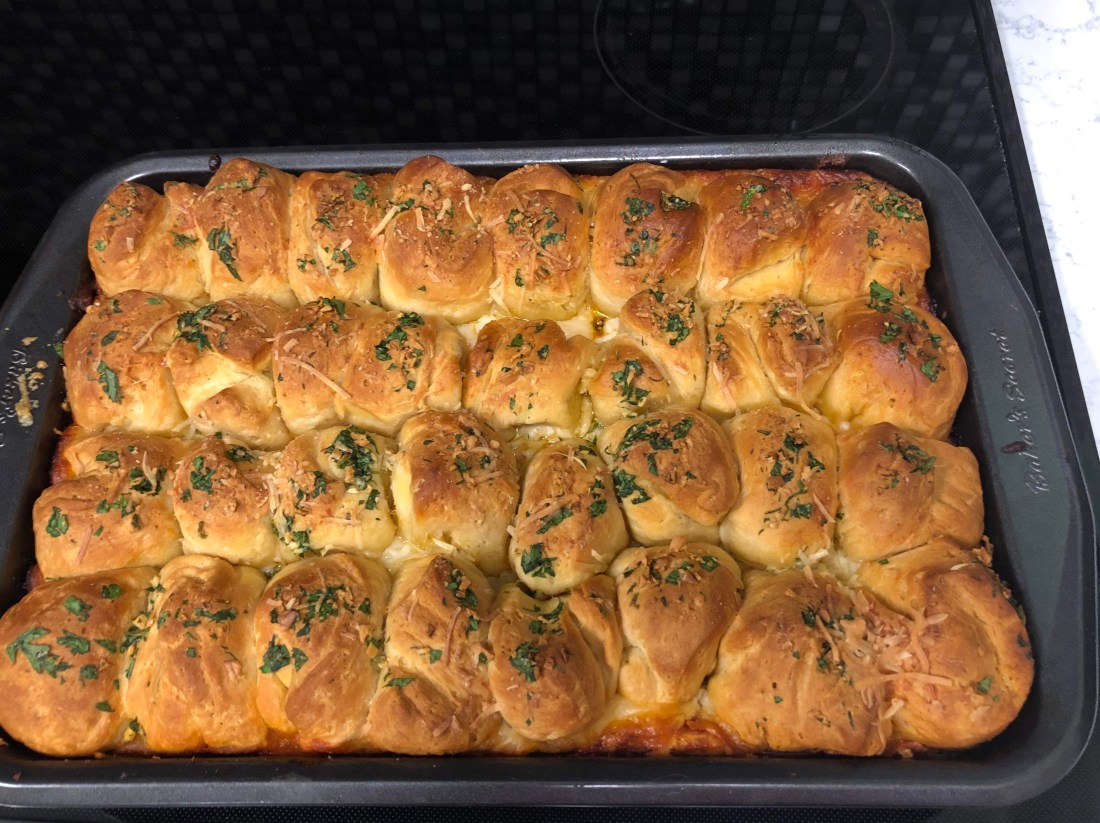
This was how they looked after the 45 minutes of baking, and although you can’t tell from the picture, the bottoms of these biscuits were just not cooked. Since I didn’t have any tin foil lying around, I flipped the middle of the rectangle, as the outside ones were cooked pretty well. But then they cooked just fine and I ended up with a pretty popular pizza bake.

The recipe states this to be a dip but it was most definitely a fork and knifer. The bottom was really messy and required a fork to actually get all of it. And other than my tinfoil mess up, it was overall a good preparation and execution. My friends quite enjoyed it, but I could never tell if they were just saying that to keep me happy about cooking or because they actually thought it was good since I screwed up the inner biscuits and made them wait longer than they should have to eat it.

Personally, the ricotta texture wasn’t for me, it wasn’t my favorite thing I’ve had and it definitely felt like it could have used some other hard substance (like breadcrumbs) to add to the texture. The dish also ended up tasting similar to lasagna, but not quite the same. Overall 8/10.

-Lars

The Scoop on Gotham Bagels

I know that we just had them for class on Wednesday, but I am such a massive fan of bagels that I had to go see the real place. I had a few friends come with me to let us try different things, and with that intent, we took the 02 bus over on to Gotham Bagels.

Once we get into the shop, we’re greeted by a line that extends well out of the door. As a foodie, this is always incredibly exciting to me, since it means we’re in the right place. As we wait and the line slowly but surely moves closer, we start to see the menu and we’re able to talk about what we’re going to order. One bagel, in particular, catches our eye as a bagel of interest, called the O.M.F.G.

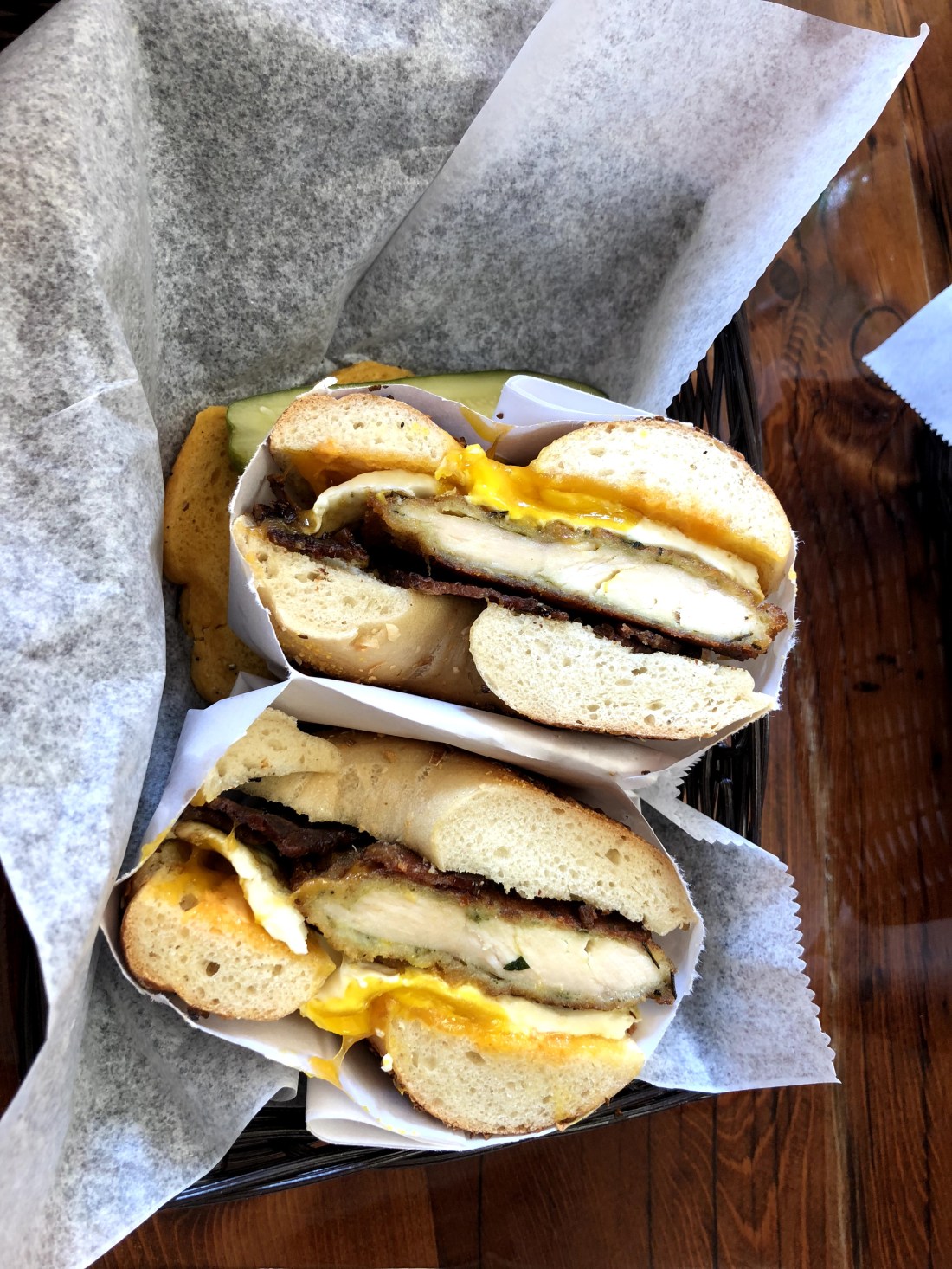
This bagel has bacon, fried eggs, cheddar, fried chicken, and spicy aioli. It makes my mouth water, just even thinking of fried chicken on a bagel, a concept not found very often. My brother is maybe the biggest fried chicken person I know, if it’s on the menu anywhere that’s what he’s ordering. As we move closer to the order station, we all decide on our orders. We all decided on our own combination of a bagel and cream cheese, with my friend Max and I splitting the O.M.F.G.

The lady that took all of our orders was really pleasant was very helpful. I appreciated their attire too, because it’s called Gotham Bagels they all had on some sort of shirt from Batman, with most of them wearing GCPD shirts (Gotham City Police Department). Another friend, Amanda, got the iced coffee which is locally sourced from Colectivo (one of my personal favorite coffee shops that I’ve found here in Madison so far) and really enjoyed that too.

We did have to wait a decent amount of time to get our bagels, but with good reason. The O.M.F.G. definitely took the longest to wait for, understandably. I wouldn’t recommend going to Gotham Bagels if you’re in a rush, but if you have a good morning on a weekend (like we did) to just wait for some great food, I’d highly recommend it.

I love a good amount of cream cheese on my bagels and boy do they not disappoint. It comes split in half, with both sides having the same amount of cream cheese to them. We all ate ours as separate halves, but a quick word to the wise- we ate ours in the restaurant, if you get the bagels to go they fold it in and I assume you get less cream cheese because of that. Because I didn’t have any local bagel shops near where I lived in Stillwater, MN I only really have to go off of Bruegger’s and Einstein’s.

To no surprise, I really liked it there and thought it was quite a bit better than both of those places. Their cream cheese was quite flavorful, I almost always get an everything bagel with veggie cream cheese, it’s the same one that I’ve been getting since I was a little kid. You can tell they took plain cream cheese and mixed in tons of vegetables, the color said all of that. img_1818

The O.M.F.G. was good but not as great as we had hoped. We both agreed that it could have used some more of the aioli, it was almost a little bland but you could still easily taste the eggs and chicken separately. Otherwise, it was a great bagel, the egg yolk had all of its golden goodness be soaked up by the bagel, which we chose for it to be an onion bagel.

Overall I’d highly recommend this bagel shop, I really enjoyed my time there and I thought my experience was really pleasing. It can be a hike, it’s northeast of the capital by a little bit, but if you’re willing to make the walk, bike, or bus, it’s completely worth it.

-Lars

Introduction to my Food Journey

Hey, I’m Lars Johnson. I’ve had a different relationship with food than most people in particularly the last year of my life. But until then, I was fairly common with most kids. Early on in my life, I was that dude who never had anything but Cereal, Cheeseburgers, and Candy until the age of 12. At the age of 12, I started to realize that hey, maybe food other than the 3 C’s might actually be digestible! When my Nana saw that I might be able to get out of the dark ages of never trying anything else, in between bites of cheeseburger she would offer me a nickel or a quarter to try something that she got. When this game caught on to me, my parents started doing it too and lo and behold all of the sudden I suddenly liked food!


Food was a whole new realm I had not explored until that time and my parents were already pretty deep into it. My brother has been stomaching the taste of coffee since 5 (not drinking it frequently though) and bleu cheese since 7, and as he was younger than me I was definitely late to the party. Although it took me until I was 14, I realized that my parents were hardcore foodies and that I wanted to be as well.


I started getting pretty heavy into food and the whole realm. It got to a point where we would go out at least once a weekend to some new restaurant or even food truck, anywhere with good food. I grew up in Stillwater, Minnesota, so the Twin Cities were just a half an hour away and, in my opinion, the Twin Cities are maybe the greatest undiscovered food gem of America. The kind of places that exist there are just incredible and are almost overlooked because of how it’s just two cities in the upper midwest, not LA or NYC. As we ate our way around the Twin Cities, my family as a whole started to gain weight, as anybody would who ate out that much.


My brother, yet again, beat me to the punch. When we would go out, he would never have anything but water. He even started drinking sparkling water to substitute that for soda. He also started running a lot and working out (this idea of exercising was foreign to me). He slimmed down quite a bit, losing maybe 15-20 pounds as a 7th and 8th grader, which was very impressive to our whole family. I admired him for what he was able to do, and definitely tried variations of it but I just never had the mental strength to keep up with him and his routine and so, therefore, I failed to lose weight.


This ebb and flow of gaining more weight than I’d attempt to lose continued until March of 2017, where I was a junior in high school and more concerned than I’d like to admit with my body image and how I felt. I was on spring break with my grandparents in South Carolina, and we were eating like nobody’s business. I absolutely loved the food that we were eating, but every night I went up to my room I felt like I weighed more every day, and felt disgustingly full. I decided that it was the last straw, that even though I loved to eat all of this great food it was not sustainable to be mentally healthy.


I told my parents of this plan and how I felt about it, and they agreed that they weren’t as happy as they wanted to be with their own body images. So we made a decision, as a family, to lose weight. My dad has always been a bit of a health nut, so for him, he didn’t has as much to lose as my Mom and I, but he suggested a ketogenic lifestyle change. It wasn’t just a diet, but seriously changing our lives to accommodate this new way of living. I doubt many of you guys know what that even is, and I didn’t either. Even most people who have heard of it confuse it with the paleo diet or variations of that.


The ketogenic diet consists of roughly 60% fats, 25% protein, 10% non-starchy fruits and vegetables, and 5% carbohydrates. It’s a very fat heavy diet, with a specific purpose. Our bodies usually use insulin to break down glucose in the bloodstream to give us energy. It is simply put the easiest way to get a lot of energy, for short periods of time, which is why you hear a lot about athletes eating rice before races or competitions. On a keto diet, eating as much fat as you do with as little carbs (under 40 grams a day) will cause an influx of fats in your bloodstream, which ends up being about the same amount of fat that used to be glucose. Insulin is no longer needed, and your body realizes it needs a protein that will break down fats. Those proteins are called ketones.


That process I just described is called ketosis, which is why the keto diet works as well as it does. It’s hard to get into ketosis, but once you’re in it you realize it becomes much easier. When those ketones have burned through all of the fat in your bloodstream, they begin to burn through all of your fat deposits as well. The longer you stay in keto, the more body fat you will burn through. My family and I started the lifestyle change in mid-July of 2017 and by January 2018 I had lost 60 pounds.


I had a lot of people asking me if I were okay, if I was anorexic or had an eating disorder (snacking is almost frowned upon on keto so you just get to eat big meals). It gave the appearance that I wasn’t eating except for meals and because you get 9 calories from a gram of fat versus 4 from a gram of carbohydrates, you also end up eating less and getting full faster. But despite that, I had never felt better. I felt more energized, in better moods, even before I started really losing weight. Waking up in the morning became easy and I discovered that without carbs I wasn’t groggy in the morning. Losing weight suddenly became the afterthought. And all the while the food I was eating was amazing.


People have a very negative thought of fat, thinking only of the idea of gaining weight from it. When you google calories from fat, an obese person comes up as the image. When you google calories from carbohydrates, all you get is an image of a nutrition label. I started using dietdoctor.com as a way to find recipes. The very first keto thing I ate was bacon-wrapped meatloaf smothered in gravy. If you’ve never tried, I strongly recommend it. But there were other recipes you can have too, all staying under 40 grams of carbohydrates in a day.


There are these desserts called fat bombs, where they have a sugar sensation from large amounts of fat. There are also vanilla smoothies that taste like milkshakes, or maybe chocolate peanut butter balls. When your friends decide to go to noodles and company, instead of getting regular pasta just get zucchini noodles. Jimmy Johns? Try a lettuce wrap. It’s much easier than it sounds, and the food was still really good. We could go out and eat and be perfectly fine, all the while still being keto.


Although I’ve been relaxing on the 40 grams of carbs a day now that I’m at college and almost every night we get free pizza for dinner, I’m still trying to keep this idea of a ketogenic lifestyle change. It helped to have a wonderful cook in the family to be willing to try these recipes, and I definitely would not have been able to start this journey without a support system of a family. But here I am now, and that’s my food journey, 75 pounds later.


-Lars